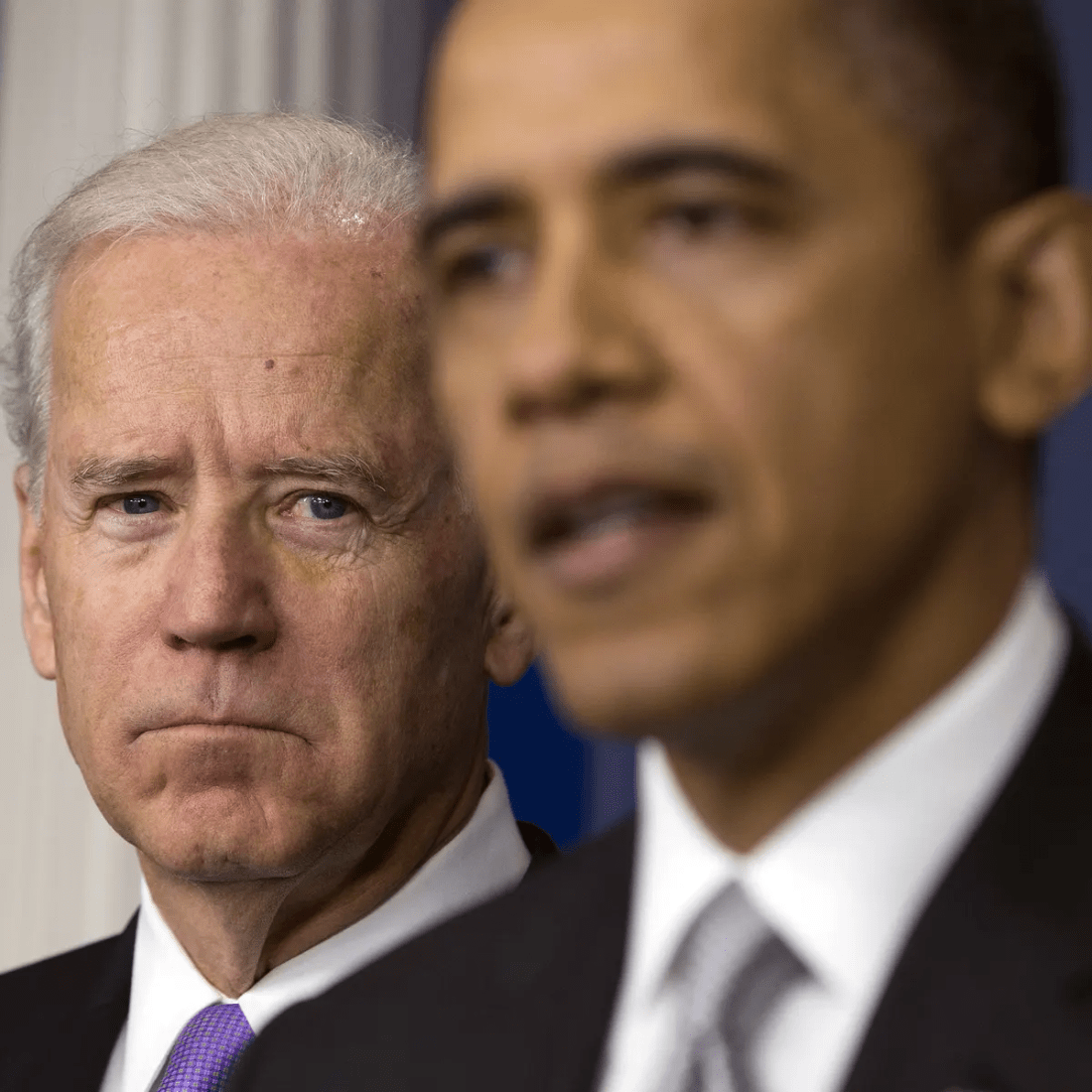
President Biden is negotiating with congressional Republicans to raise the debt ceiling, and there are reports that progress is being made on a deal that involves “cutting spending.” There has been talk that Biden might try to avoid a deal by minting the coin or invoking the 14th amendment. But Biden has always emphasized that he values consensus and compromise. The conservative Supreme Court might not go along with an attempt to use the 14th amendment, and shoving the coin down his opponents’ throats has never really been Biden’s style. It all reminds me of the debate from a decade ago. This blog was young back then, and I wrote a lot about Obama’s negotiations. Let’s revisit that period, shall we?
Continue reading “Biden Edges Toward Repeating Obama’s Worst Mistake”Tag: Stimulus
The Reaction to the Fall of Silicon Valley Bank
The fall of Silicon Valley Bank (SVB) generated several different media narratives. All seem to agree that SVB failed because it was dependent on low-yield long-term US treasury bonds. These bonds were safe in the years following the global financial crisis of 2008, but they lost value when interest rates increased in 2022. The disagreements are over what this fact means.
Continue reading “The Reaction to the Fall of Silicon Valley Bank”Infrastructure Dreams and Living Nightmares
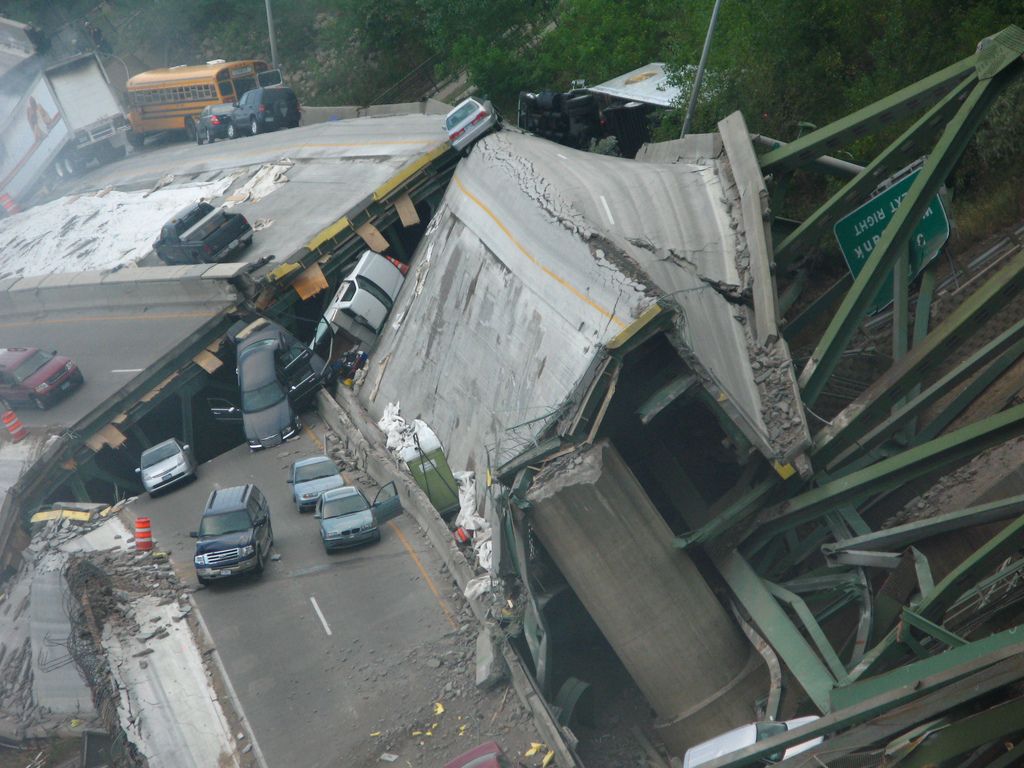
In recent weeks, there’s been a great deal of media attention on a train that derailed in Ohio. The derailment highlights a contradiction that has haunted American politics. On one hand, there is an increasingly vocal set of progressives and libertarians who have dreams of revitalizing American cities with big infrastructure projects. They want high-speed rail, fifteen minute cities, lots of cycling, walkable streets, and tall apartment buildings. These movements often rally around acronyms – YIMBY, NUMTOT, and the like. On the other hand, there is the infrastructure that actually exists in the United States. It’s crumbling, and it’s expensive to maintain, let alone replace. Between urbanist dreams and rusty realities there sits President Biden. Biden was faced with a pivotal decision. He could shore up the existing infrastructure, fighting back against the rust. He could commit America to a new paradigm, replacing what’s decaying with new ideas. He could not do both. He chose to do neither.
Continue reading “Infrastructure Dreams and Living Nightmares”The Bipartisan Infrastructure Agreement is Embarrassing
Remember the Biden administration’s proposal to spend $2 trillion on infrastructure? Traditional infrastructure spending accounted for roughly half of that proposal. It was less than half of what the American Society of Civil Engineers believes we need. According to them, the US faces a $2.59 trillion infrastructure shortfall over the next 10 years. Now a bipartisan deal has been announced which limits new spending to just $579 billion. That’s less than a quarter of what our civil engineers believe we need. To make matters worse, the administration has agreed to fund much of the spending with public/private partnerships. Many essential infrastructure projects can’t generate a profit–they require huge up-front investments and continuous maintenance. The more an infrastructure package depends on private funding, the more limited that package is in the kinds of projects it can fund. How did it come to this? Let’s run through some of the reasons why the infrastructure plan was so completely butchered.
Continue reading “The Bipartisan Infrastructure Agreement is Embarrassing”On the Relationship Between Infrastructure Spending and Corporation Tax
The Biden administration has come out with a $2 trillion infrastructure plan. The United States is very behind on infrastructure spending–according to the American Society of Civil Engineers, the US faces a $2.59 trillion infrastructure shortfall over the next 10 years. Biden’s bill isn’t large enough to fill that gap, and a significant percentage of its spending is for other purposes. $400 billion is slated to go to nursing home services, a pressing need in its own right, but not one of the needs which the ASCE tracks in its reports. If you add it up, it looks like roughly half the Biden bill’s spending directly addresses the needs identified by our civil engineers, while the other half funds other projects. There’s nothing inherently wrong with this–it’s very normal for politicians to attach pet programs to popular bills that meet essential needs, and many of Biden’s pet projects have value. But it does mean that this bill’s infrastructure spending is less substantial than it initially appears. It will still leave us with a significant infrastructure shortfall. The more interesting issue–and the one I wish to discuss at some length–is the decision to pair this infrastructure bill with an increase in the marginal corporation tax rate.
Continue reading “On the Relationship Between Infrastructure Spending and Corporation Tax”