Barack Obama’s Role in Giving Us the Trump Presidency

The Roman Emperor Marcus Aurelius is remembered as a great philosopher and successful military commander, but he is also remembered for picking his feckless son Commodus as his successor, an emperor who infamously cared more about making showy performances as a gladiator than he did governing the empire. Barack Obama is still a popular president–his favorability rating is +10 and his job approval rating is +8. In recent months many pieces have been written lamenting his imminent departure, and many more will likely be written before January. But no matter how likeable Obama is or how well Obama governed while in office, the fact that he could not ensure the election of a competent successor counts against his legacy. How did Barack Obama end up giving us a Commodus? What, if anything, could Obama have done to avoid this?

Continue reading “Barack Obama’s Role in Giving Us the Trump Presidency”
How We Let the Orange Monster Win

Somehow Donald Trump is going to be President. Trump campaigned tremendously poorly, feeding us a steady stream of horrific gaffes, flip-flopping on policy, and taking political positions that sounded crypto-fascist. We managed to lose anyway. This is an existential moment for all opponents of Trump, whether you count yourself on the left or in the center. We need to have an honest conversation about what we did wrong so that we can make sure nothing like this ever happens again.

Continue reading “How We Let the Orange Monster Win”

Corbyn, Stein, and the Left’s Anti-Imperialism Problem

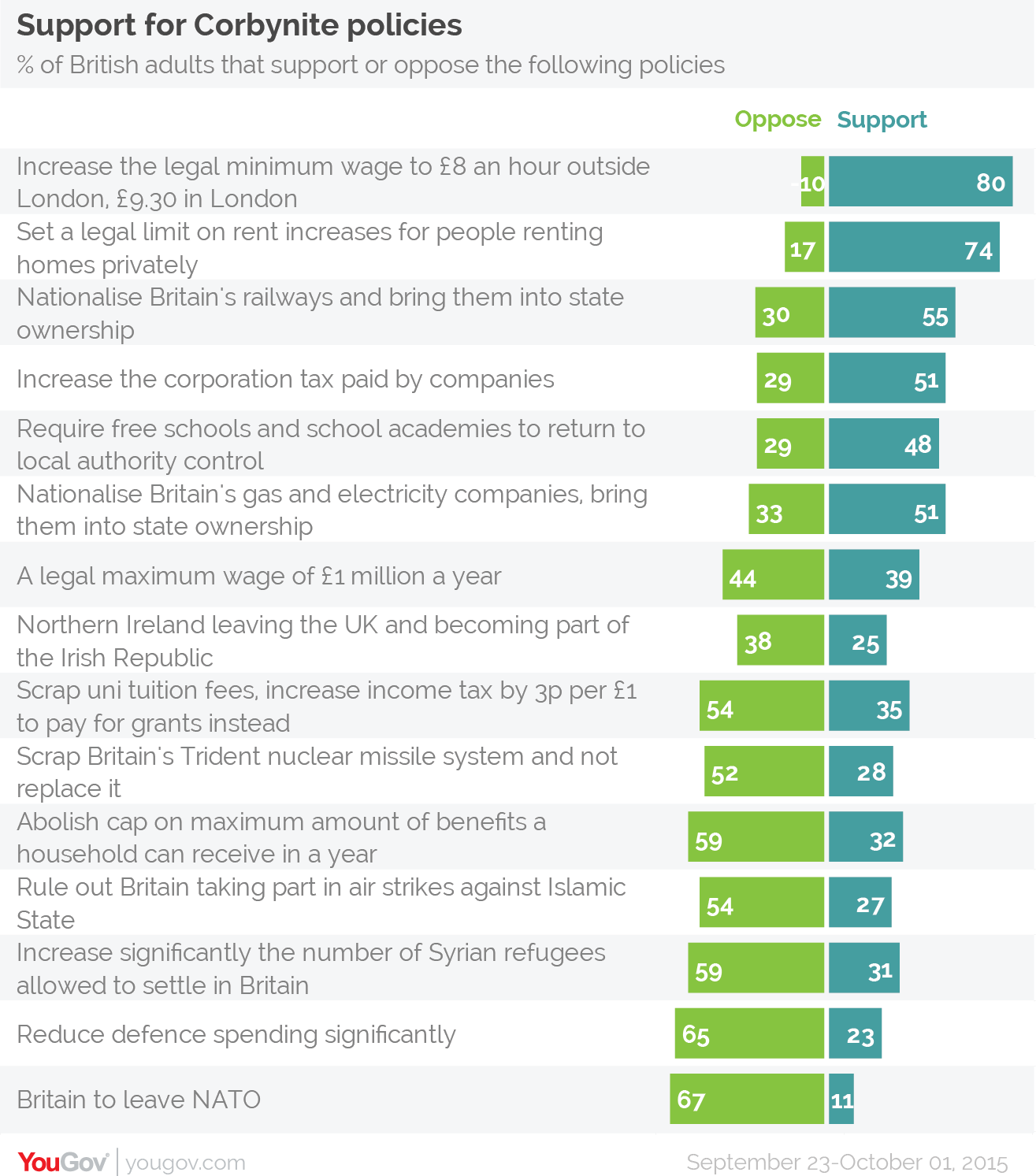
If you ask the British people what they think about Labour Party leader Jeremy Corbyn’s policies, it’s clear that any skepticism they may have about his economic agenda is far surpassed by misgivings about his foreign policy:

Since becoming Labour leader, Corbyn and his supporters have been accused of being “terrorist sympathizers” and anti-Semitic. This perception is tied to a suite of policy positions and attitudes which are best described as “anti-imperialist”. Left wing politicians and movements which embrace anti-imperialism face a set of political obstacles that they avoid if they jettison it. Today I’d like to think a little bit about how anti-imperialism works, both as a theory of international politics and in terms of its influence on the success and failure of the left in domestic politics.

Continue reading “Corbyn, Stein, and the Left’s Anti-Imperialism Problem”

A Hierarchy of Lies and Falsehood

The 2016 election has been full of lies and falsehood. Candidates routinely say things that are not true or make misleading and fallacious arguments. But not all lies are equal–some are more damaging than others, some may even appear justifiable. So today I’d like to break down the different kinds of lies in politics and think about which ones are the most objectionable. To spice things up, we’ll include examples from the campaign of each kind of lie. Are you ready? Let’s go.

Continue reading “A Hierarchy of Lies and Falsehood”

Britain: For Pity’s Sake, Stay in the EU

On 23 June, Britain is having a referendum on its membership in the European Union. I care deeply about British politics–I’m doing my PhD there as I write this. But more importantly, Brexit would be a stunningly poor choice, undermining British interests in both the short and the long-term, and I would feel deeply remiss if I didn’t do my part to point this out.

Continue reading “Britain: For Pity’s Sake, Stay in the EU”