
I have a new piece out with Sublation on the failure of the left to remain faithful to Medicare for All. There’s no paywall. You can read it here: https://www.sublationmag.com/post/medicare-for-all-requiem-for-a-dream
Concerning the nature of man and the economic system, and how best the latter can be structured to augment the former.
I have a new piece out with Sublation on the failure of the left to remain faithful to Medicare for All. There’s no paywall. You can read it here: https://www.sublationmag.com/post/medicare-for-all-requiem-for-a-dream
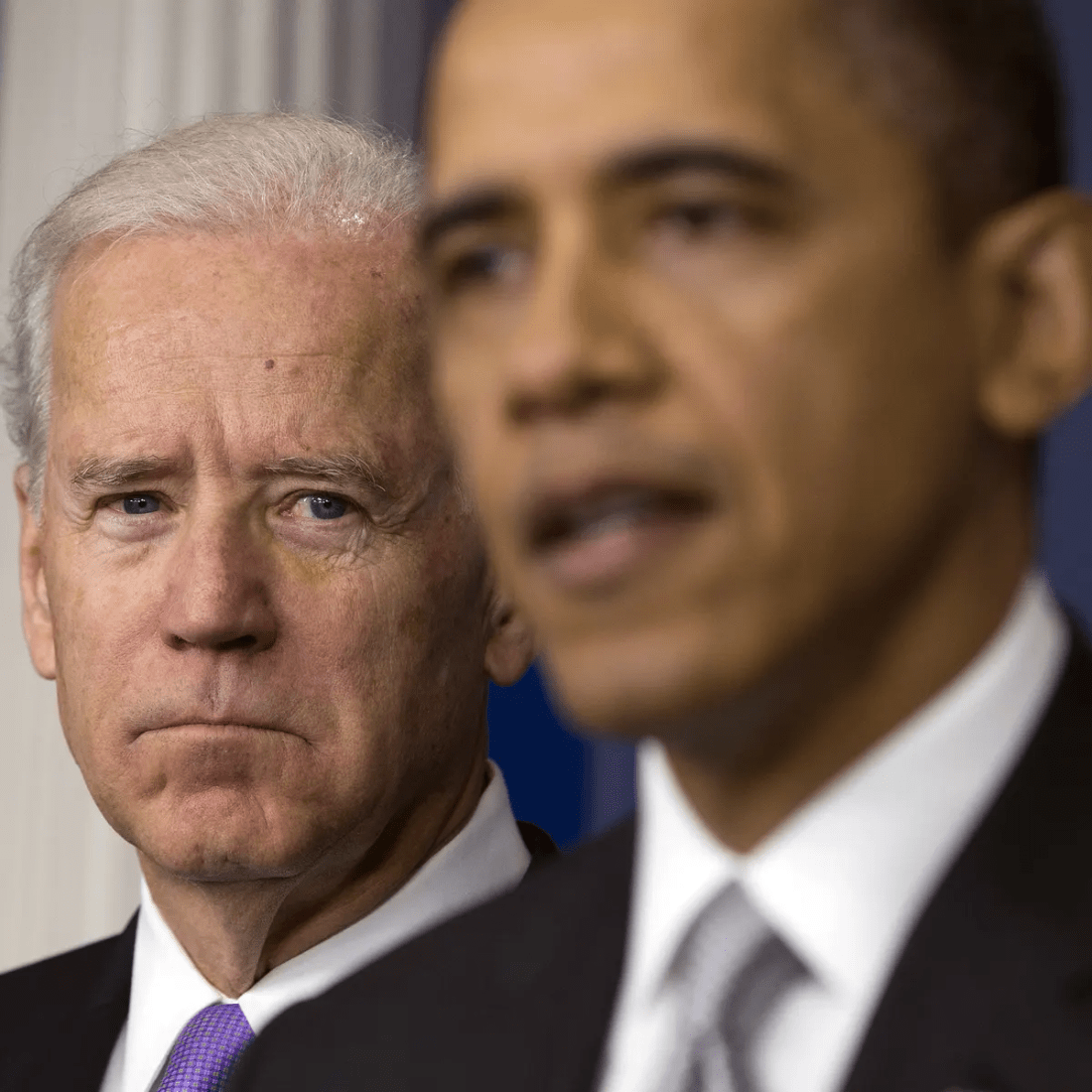
President Biden is negotiating with congressional Republicans to raise the debt ceiling, and there are reports that progress is being made on a deal that involves “cutting spending.” There has been talk that Biden might try to avoid a deal by minting the coin or invoking the 14th amendment. But Biden has always emphasized that he values consensus and compromise. The conservative Supreme Court might not go along with an attempt to use the 14th amendment, and shoving the coin down his opponents’ throats has never really been Biden’s style. It all reminds me of the debate from a decade ago. This blog was young back then, and I wrote a lot about Obama’s negotiations. Let’s revisit that period, shall we?
Continue reading “Biden Edges Toward Repeating Obama’s Worst Mistake”
The fall of Silicon Valley Bank (SVB) generated several different media narratives. All seem to agree that SVB failed because it was dependent on low-yield long-term US treasury bonds. These bonds were safe in the years following the global financial crisis of 2008, but they lost value when interest rates increased in 2022. The disagreements are over what this fact means.
Continue reading “The Reaction to the Fall of Silicon Valley Bank”As the midterms approach, the Biden administration is looking to pass some part of its Build Back Better plan. Biden managed to fund $550 billion in new traditional infrastructure spending. But the American Society of Civil Engineers argues that we have an infrastructure funding gap of $2.59 trillion. The bipartisan infrastructure bill barely makes a dent in that. The rest of the administration’s proposals have continually run aground. Various senators threaten to withdraw their support all too quickly, and this has caused the administration to water down its proposals over and over again. Now there is a new version of the human infrastructure bill, called the Inflation Reduction Act. This bill claims to raise over $700 billion in new revenue in an effort to fight inflation, reduce the deficit, and fund new investments in energy. It sounds like a significant achievement, but it’s not. Here’s why.
Continue reading “The Inflation Reduction Act is Not Designed to Reduce Inflation”
As we saw in the years following the 2008 recession, lots of business owners are frustrated by labor shortages. They argue that these shortages are caused by a lack of incentive to work, and propose to generate that incentive by making life more difficult for the unemployed. In this case, they argue for restoring work requirements for unemployment and eliminating the federal unemployment supplement enacted in the waning days of Trump administration. This is a highly punitive way of generating incentive, and those who support these measures often accuse our unemployed citizens of laziness. They could instead generate incentive by raising wages. A recent study from the Federal Reserve indicates that the vast majority of workers aren’t being discouraged. As long as workers anticipate that their unemployment benefits may eventually come to an end, they will accept work even when the work pays less than the benefits do. Only the workers at the very bottom of the wage distribution face an incentive problem. Today I want to discuss how the study works and what it means for the minimum wage debate.
Continue reading “The Case for Raising the Minimum Wage to Address Labor Shortages” Benjamin Studebaker