Hillary Clinton is like Katniss Everdeen in The Hunger Games

When I watched the third democratic debate, I was amused and horrified with the way Hillary Clinton defended the decision to intervene in Libya:

…we have to continue to do what is necessary when someone like Gadhafi, a despot with American blood on his hands, is overturned.

This is precisely the same way that George W. Bush continues to defend the Iraq War:

One thing is certain: The Iraqi people, the United States and the world are better off without Saddam Hussein in power

On these accounts, overthrowing dictators is the right decision because dictators are bad, and we should get rid of bad people. This reminds me way too much of the plot of The Hunger Games: Mockingjay Part 2Spoilers for that movie follow, if you care about such things.

Continue reading “Hillary Clinton is like Katniss Everdeen in The Hunger Games”
Why the Media Pays More Attention to Some Tragedies Than Others

On social media, the reaction to the Paris terrorist attack is steadily devolving into a compassion competition in which people try to prove that they are nicer people than their friends by parading how empathetic they are on the internet. They write sentimental statuses, they change their profile pictures to the tricolor, they send their “thoughts and prayers”, and so on. None of this does anything to make the world a better place–it’s all about using tragedy to self-promote. It’s just another way for people on the internet to say “Look at me!” But perhaps the most obnoxious form of self-promotion is when people claim they are too good to care about Paris, because they care about less mainstream tragedies, most commonly the recent Beirut bombing. These people are tragedy hipsters who engage in tragedy one-upping. They may be well-intentioned–these folks argue that the media fails to cover attacks like the one that occurred in Beirut because of systemic racism. But while systemic racism certainly is a significant problem in our society, their argument mischaracterizes the social forces that cause the media to pay more attention to some tragedies rather than others.

Continue reading “Why the Media Pays More Attention to Some Tragedies Than Others”

The Islamic State is Weak and Pathetic, and I Have the Numbers to Prove It

In my conversations with people around the internet since the Paris terrorist attack, it’s become increasingly clear to me that many people have a dramatically inflated understanding of the military strength and capabilities of the so-called Islamic State. So today I’d like to make it clear just how weak these people are, and how easy it would be for the surrounding Muslim states to destroy this organization even if the United States played only a minor logistical role.

Continue reading “The Islamic State is Weak and Pathetic, and I Have the Numbers to Prove It”

Yemen: The American Catastrophe No One is Talking About

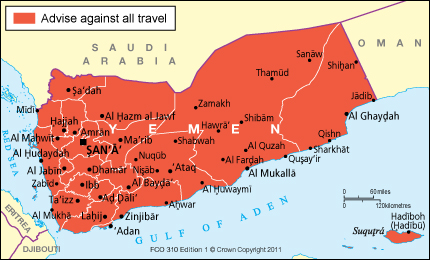
Everyone knows about what a mess Iraq and Syria are. Libya is still a disaster, but even that country once had our attention. This is a story about Yemen. Remember Yemen? It’s the box-like country on the southwest corner of the Arabian peninsula:

Yemen is in the grip of a civil war that has now killed over 4,300 people. It’s an omnishambles. Let me tell you the horrible story of how we turned this country into the war-torn dystopia it now most assuredly is.

Continue reading “Yemen: The American Catastrophe No One is Talking About”

Saudi Arabia under King Abdullah

King Abdullah’s reign in Saudi Arabia has come to an end with his death at age 90. Abdullah became king in 2005, but his rule truly began in 1996, when, as crown prince, he became King Fahd’s regent. Effectively, he was in power for nearly 20 years. It can often be difficult to judge the legacies of democratically elected leaders. Their short terms in office make it difficult to distinguish the effects of their administrations from those who precede and follow them. By contrast, autocratic rulers not only typically rule for far longer, but they also have much greater personal influence over the policies that emerge during their reigns. For these reasons, when a long-serving autocrat passes the torch, it is an interesting and useful exercise to have a look at how much better or worse off their country is now than it was when they rose to power. In March 2013, I ran a similar piece about Hugo Chavez’ 14-year reign. So let’s look at Abdullah’s legacy.

Continue reading “Saudi Arabia under King Abdullah”